
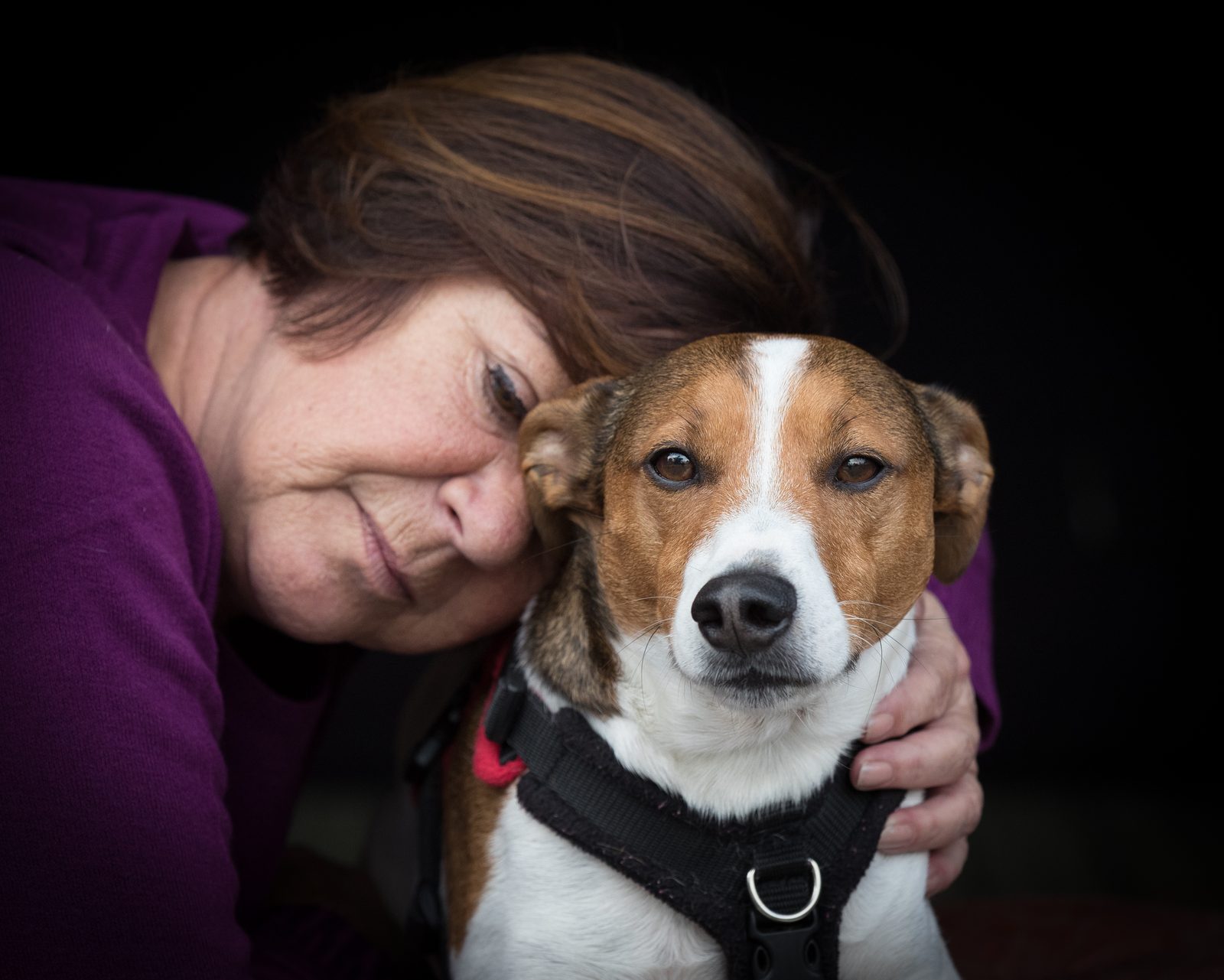
Understanding grief after losing an animal companion
Why it hurts the way it does, why it doesn’t follow a timetable, and why so many guardians feel they have to hide it.
By Dawn Stone
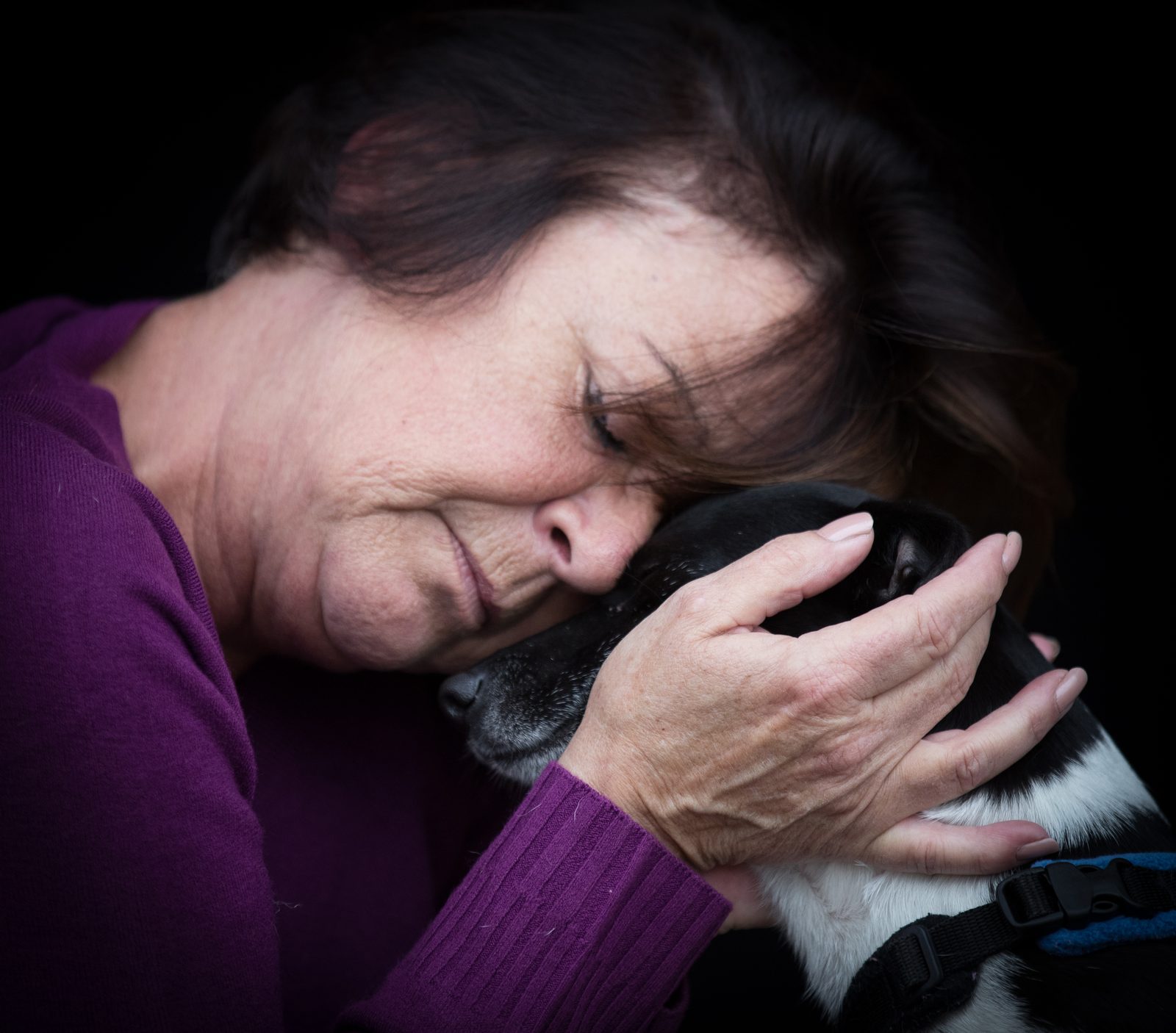
If you’ve lost an animal and you’re surprised by how much it has knocked you sideways, I want to start by saying: you are not being silly, and you are not alone.
Why it hurts the way it does
They were family. That’s the simplest way I can put it. An animal companion shares your home, your routines, your quiet evenings and your worst days. They’re there when you wake up and there when you come home. Very few human relationships are that constant. So when they go, the gap they leave is in everything.
The bond you shared was unique. Nobody else had quite that relationship, and nobody else can tell you how you should feel about losing it.
Grief is individual
We’re all individuals, and so is our grief. Some people feel the loss as sharply as any other bereavement. Some are taken aback by how deep it goes. Some feel guilt – about decisions they made, about the things they wish they’d noticed sooner. Some feel strangely numb, and then it arrives weeks later.
None of that is wrong. There is no correct way to grieve, and no sequence you’re supposed to follow. Grief doesn’t move in neat stages. You might feel alright one day and be undone the next by something small: a lead by the door, the sound of a bowl, a walk you used to take together. That isn’t going backwards. It’s just grief.
It affects the body too
Grief isn’t only in the heart. Sleep, appetite, concentration and energy can all change for a while. You may feel exhausted in a way that doesn’t make sense. Looking after yourself gently – eating, resting, getting outside – isn’t a cure, but it makes the carrying easier.
Feeling misunderstood
This is the part I hear about most. Guardians tell me that friends, family and sometimes workplaces simply don’t understand. "It was just a dog." "You can get another one." People say these things meaning to help, and they land like a slap.
I believe animal bereavement deserves far more recognition than it gets, at home, among friends and in the workplace. People don’t always know what to say, even when they want to help. You deserve to be heard. It may help to find someone who understands what this relationship meant to you.
There is no timetable
It doesn’t matter whether your loss was last week or years ago. If it still hurts, it still counts. You don’t have to be "over it" by any date, and you never have to apologise for still missing them.
If you’d like support
Sometimes the kindest thing you can do is say all of this out loud to someone who understands the bond and won’t rush you. That’s what my Pet Bereavement Counselling is for: a safe, confidential, non-judgemental space, starting with a complimentary 20-minute phone call. There’s no obligation to go any further.
And if you need urgent help with your mental health, please contact your GP or NHS 111. I’m a bereavement counsellor, not an emergency service, and I’d always rather you got the right help quickly.
If this is where you are right now
You don’t have to do this on your own. A complimentary 20-minute call is the gentlest place to start.