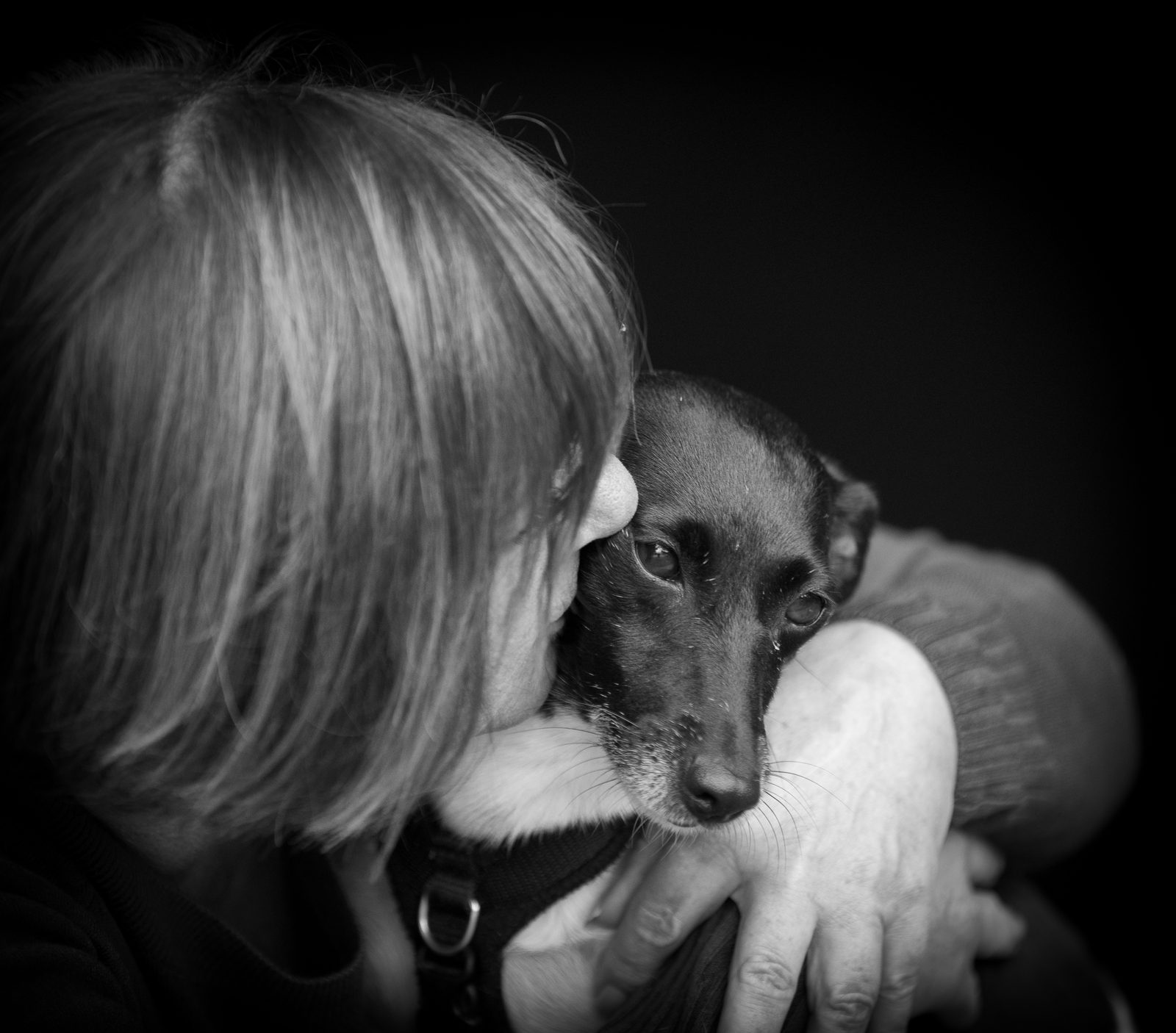
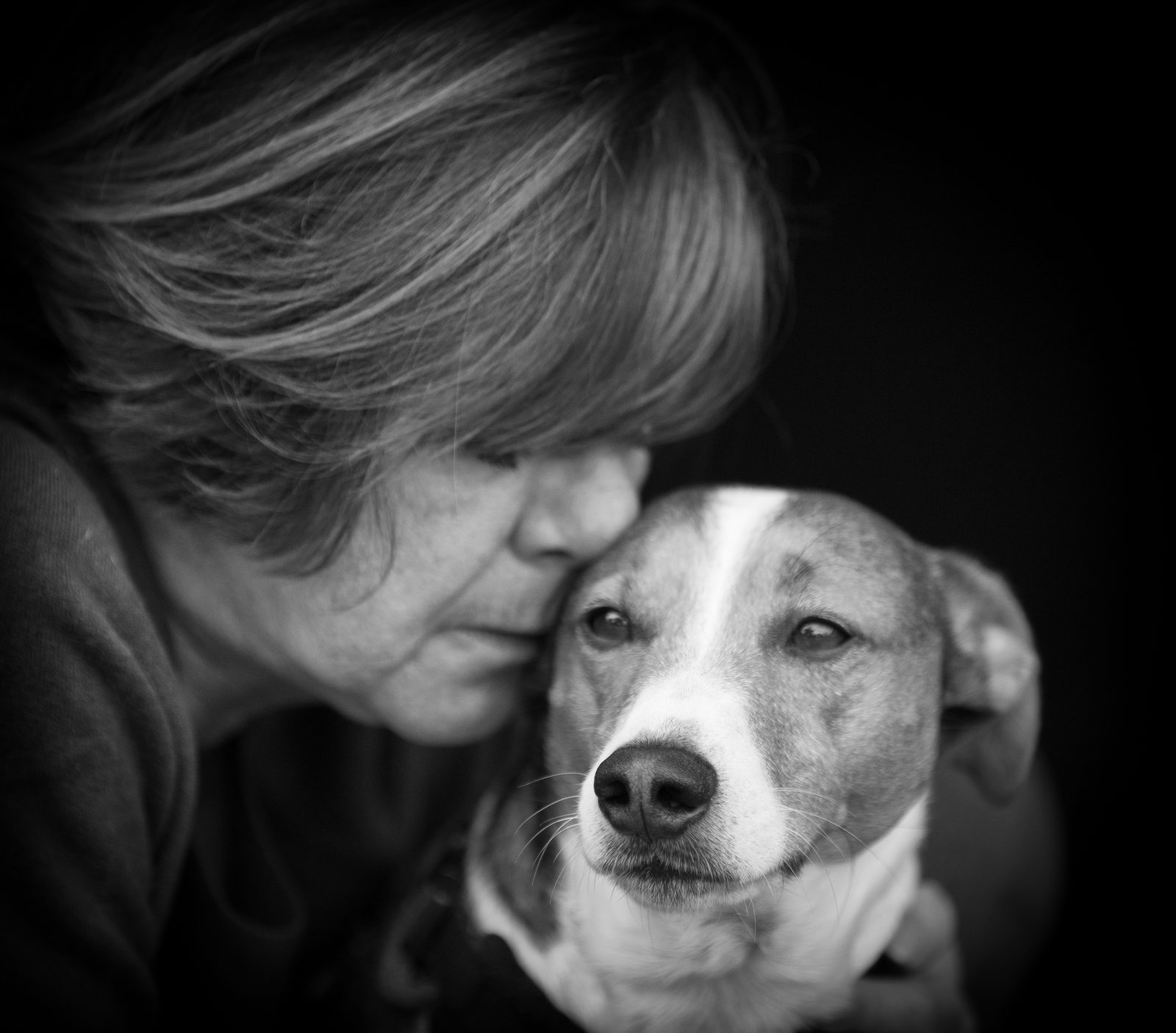
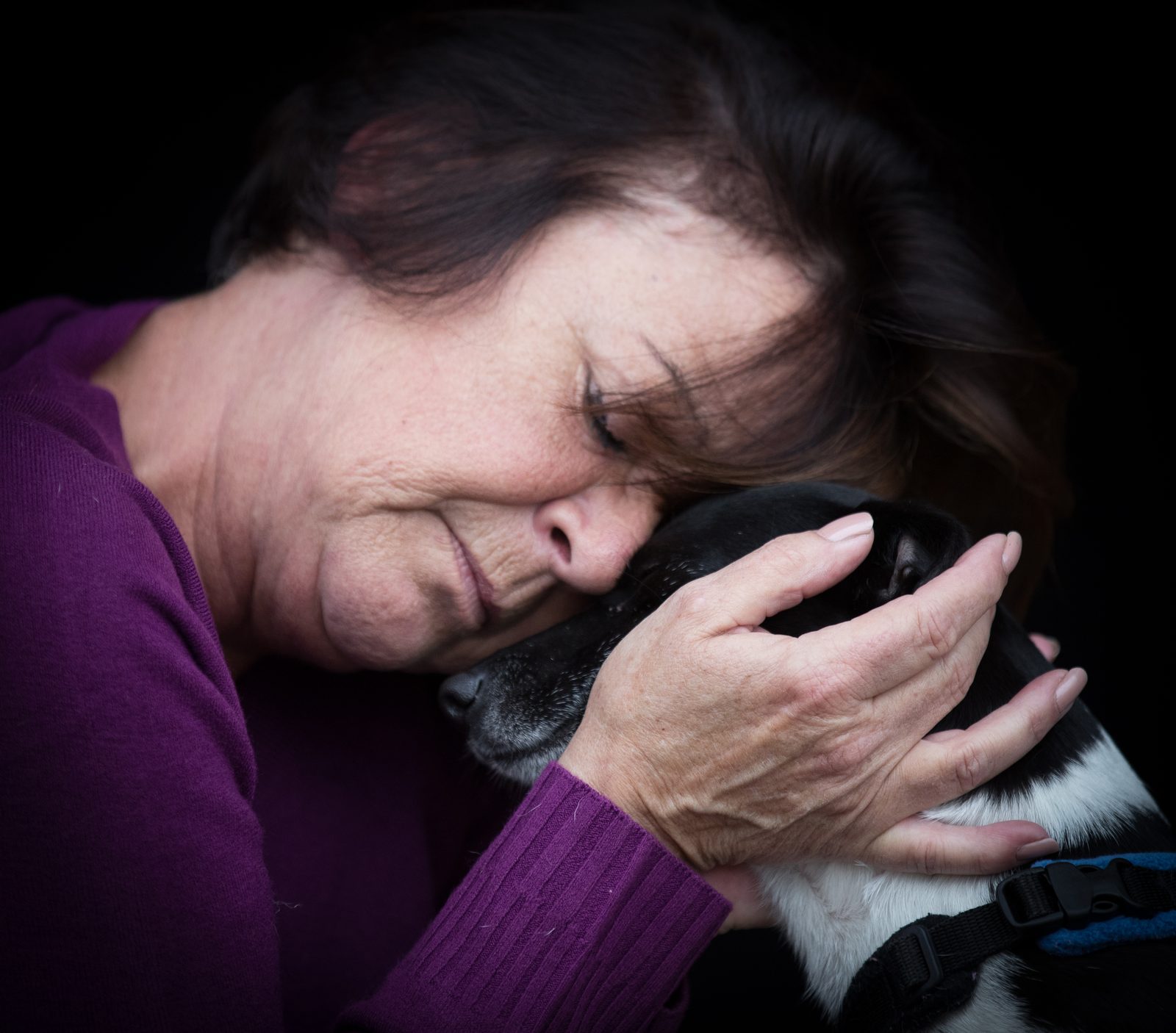
Dawn holding Millie, her black-and-white Jack Russell, close in a black-and-white photograph

Pet Bereavement Counselling with Dawn Stone

Moving forward, not moving on.

Losing an animal companion can be heartbreaking. I know, because I’ve been through it myself.

And I know that we all experience grief differently. You might have lost your companion recently, or it may have been some time ago. Whatever you’re feeling, it matters that you have the space to talk about it, and to be heard. My sessions are by telephone or Zoom or telephone, so I can support guardians wherever they are in the UK.

Your grief matters

They were family. Your grief deserves to be recognised.

The bond you shared with your animal was unique. Nobody else had quite that relationship, and nobody else can tell you how you should feel about losing it. Some people feel the loss as sharply as any other bereavement. Some are surprised by how much it has affected them. Some find the people around them don’t quite understand, and that can make it lonelier still.

I won’t tell you I know exactly how you feel, because grief is so individual. What I can tell you is that there is no set timetable for it. It doesn’t move in neat stages, and it doesn’t have to be finished by a certain date. Whatever you’re feeling, and whenever you feel it, it’s allowed.

“Don’t aim to forget. Aim to move forward, and remember.”

Moving forward without forgetting

People sometimes talk about “moving on”, and I understand why, but I don’t think that’s what we’re looking for. We don’t want to be moving on and forgetting those memories. We want to be moving forward, and cherishing those memories.

For some people, small things help along the way. Creating a memory box, planting a tree. Talking about the funny things they did. Finding one or two people who understand. Looking after yourself, and letting your grief take the time it needs rather than the time anyone else thinks it should.

None of these are rules. They’re simply things that have helped some of the guardians I’ve worked with, and me.

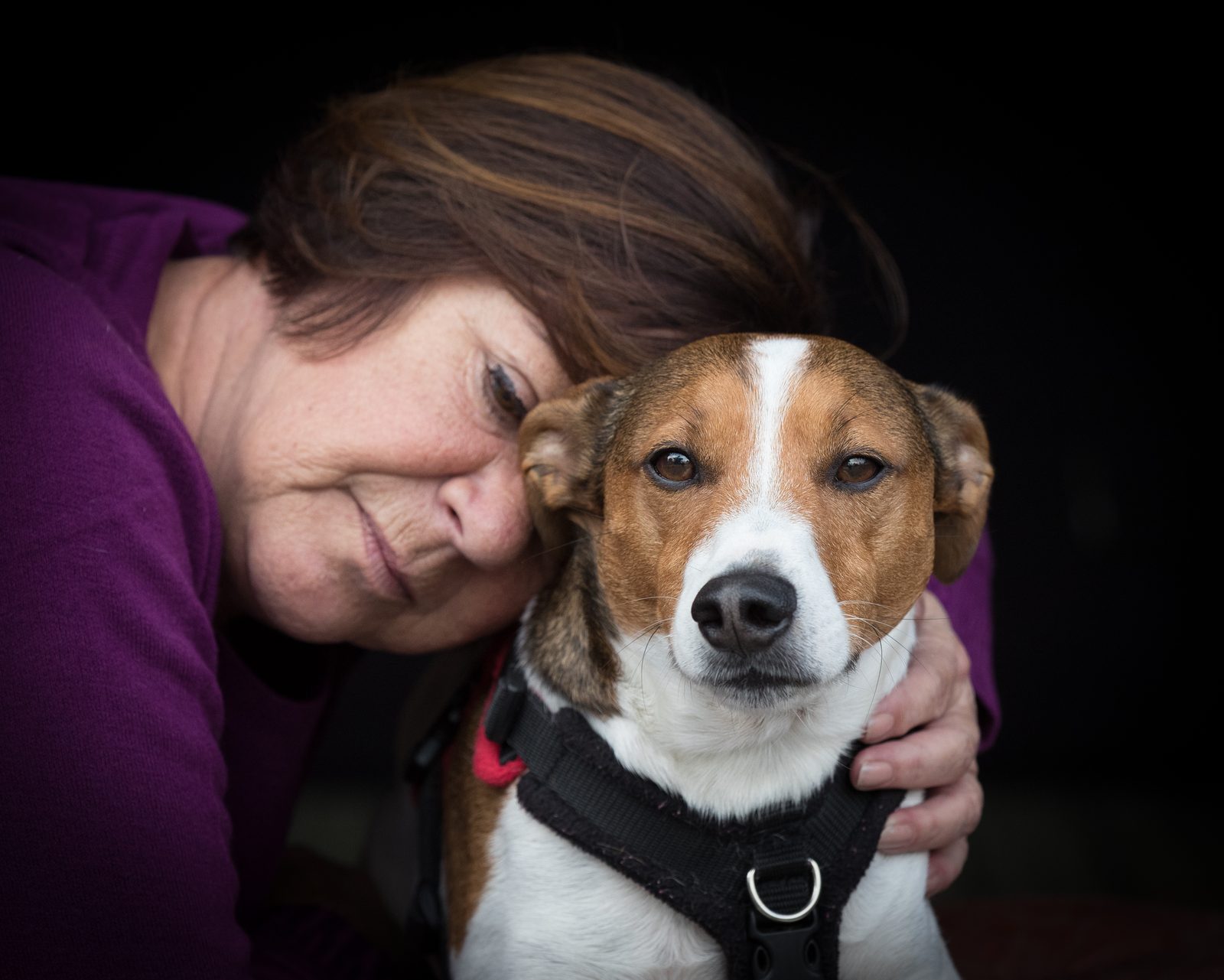
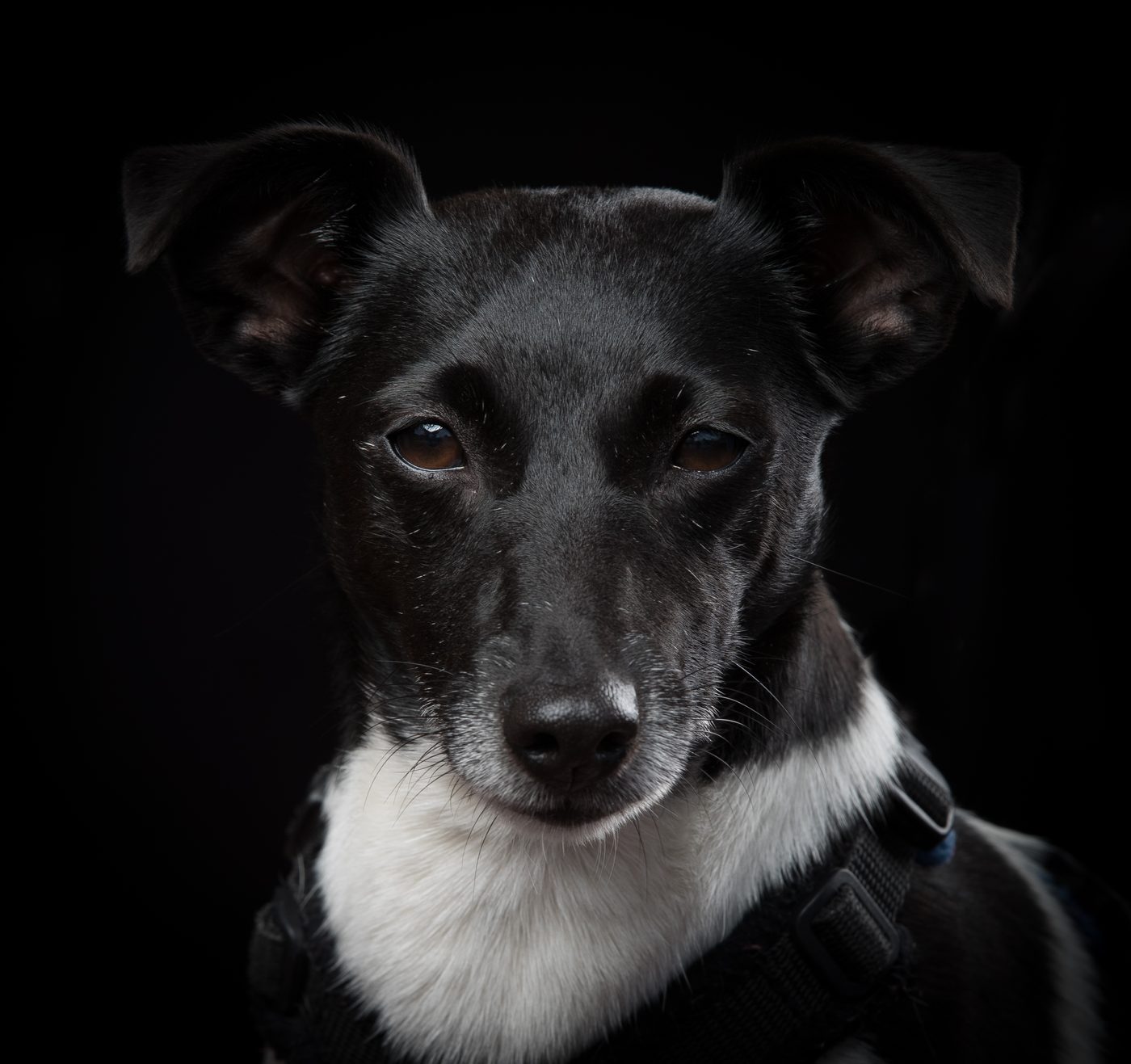
Millie, Dawn’s black-and-white Jack Russell, looking towards the camera
Dawn kissing Mylo, her tan-and-white Jack Russell, in a black-and-white photograph
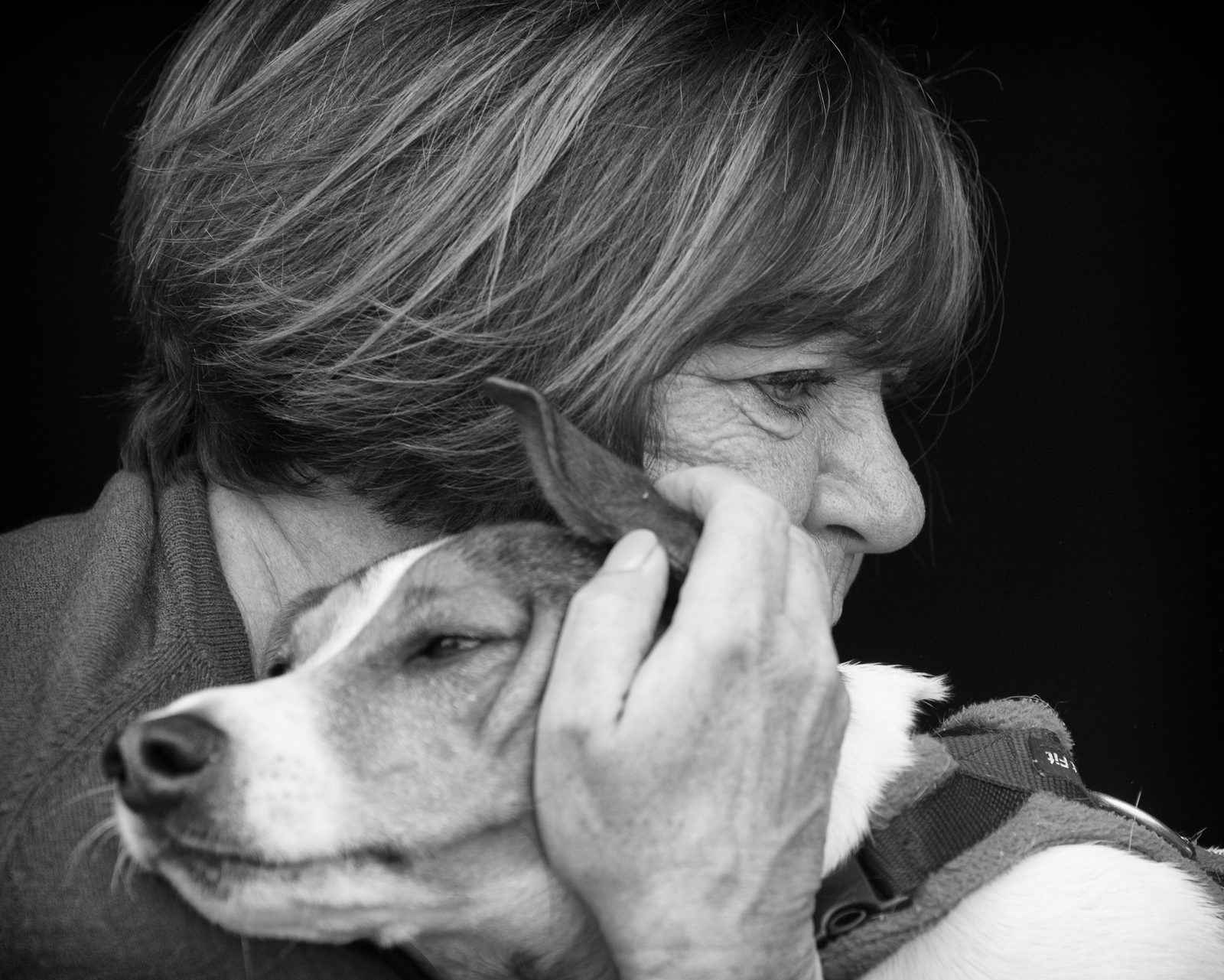
Dawn holding Mylo, her tan-and-white Jack Russell, close to her cheek
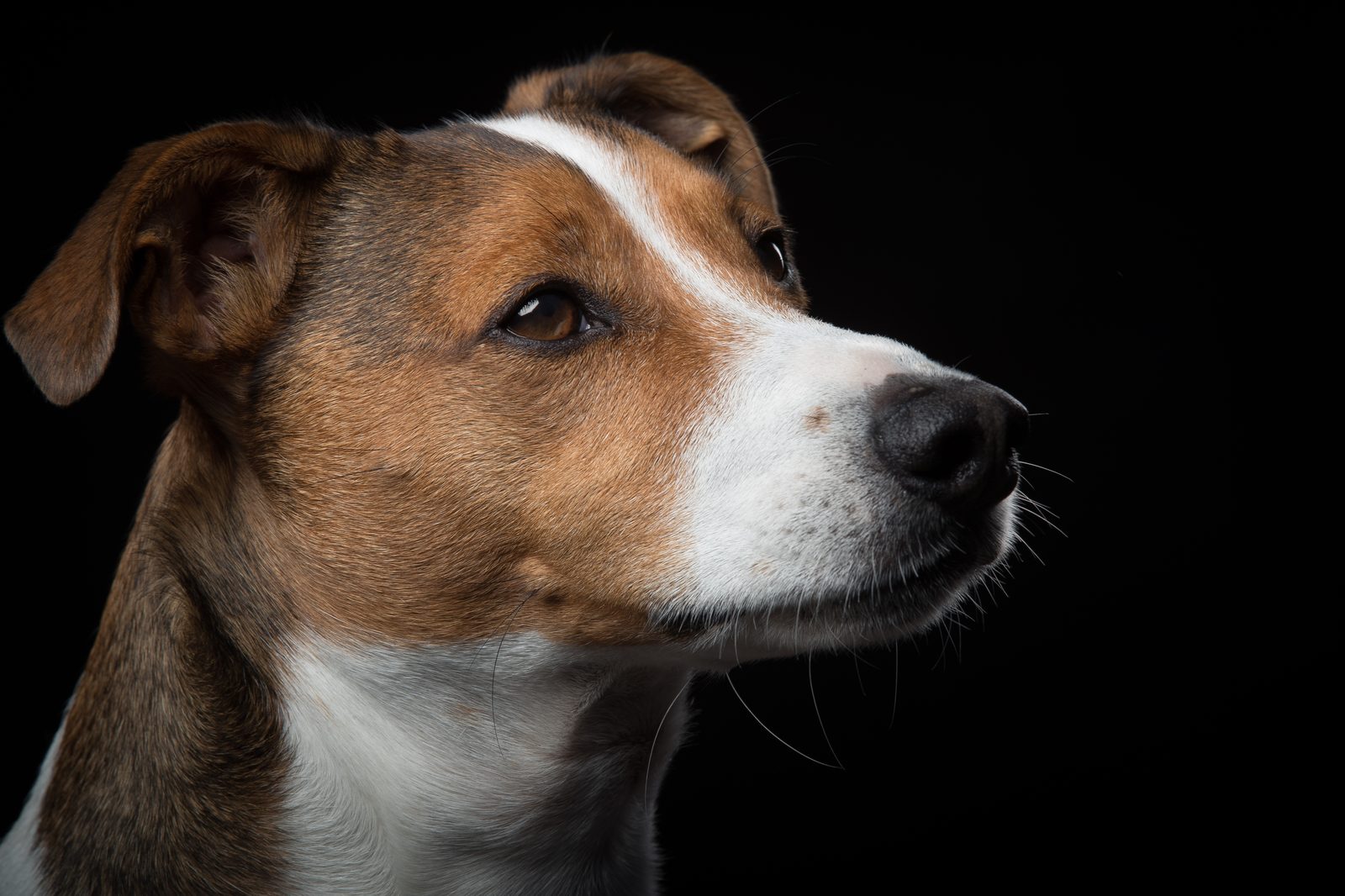
Mylo, Dawn’s tan-and-white Jack Russell, in profile with his ears forward

Mylo’s story

My soul dog, and the reason I do this.

Mylo was my Jack Russell, and he was my soul dog. If you’ve had one, you’ll know what I mean by that.

I cared for him through the last six months of his physical life. That time taught me about a kind of grief I hadn’t really understood before: the grief that starts while they’re still here. Watching, hoping, trying to make the right decisions, and never being sure. Anyone who has nursed an animal towards the end will know how exhausting and how precious that time is.

When he passed, the loss was enormous. I had worked with animals and their guardians for many years by then, and still I was taken aback by the depth of it.

I believe Mylo is still with me in spirit, and that he still guides me. It was Mylo who nudged me towards studying bereavement counselling. I qualified with distinction so that I could offer other guardians the kind of compassionate, understanding support I know matters so much, and so that nobody has to go through this feeling that they’re on their own.

More about Mylo and Millie

How counselling can help

A safe place to say it all out loud.

Counselling with me isn’t being told how to grieve. It’s a quiet, confidential space where you can talk openly about your loss. The loss of an animal companion is significant and deserving of care and understanding. Whether the loss is recent or occurred some time ago, counselling can help individuals navigate their grief and find a way forward while preserving the meaningful memories of their pet.

My aim is to provide a compassionate environment where clients feel heard, supported, and respected as they work through their loss at their own pace.

Things guardians often bring to our conversations

  • Sadness, and feeling very alone with it
  • Guilt, and the “what ifs”
  • Grief that began before they passed
  • The hard decisions near the end
  • The quiet of a changed daily routine
  • How the other animals at home are coping
  • Feeling misunderstood by people around you
  • Remembering and honouring them

These are things we may talk about, not a list of what counselling will fix. If you need urgent help with your mental health, please contact your GP or NHS 111.

What to expect

We start with a chat. Nothing more.

You don’t need to decide anything before we speak. The first conversation is free, and there’s no commitment to go any further.

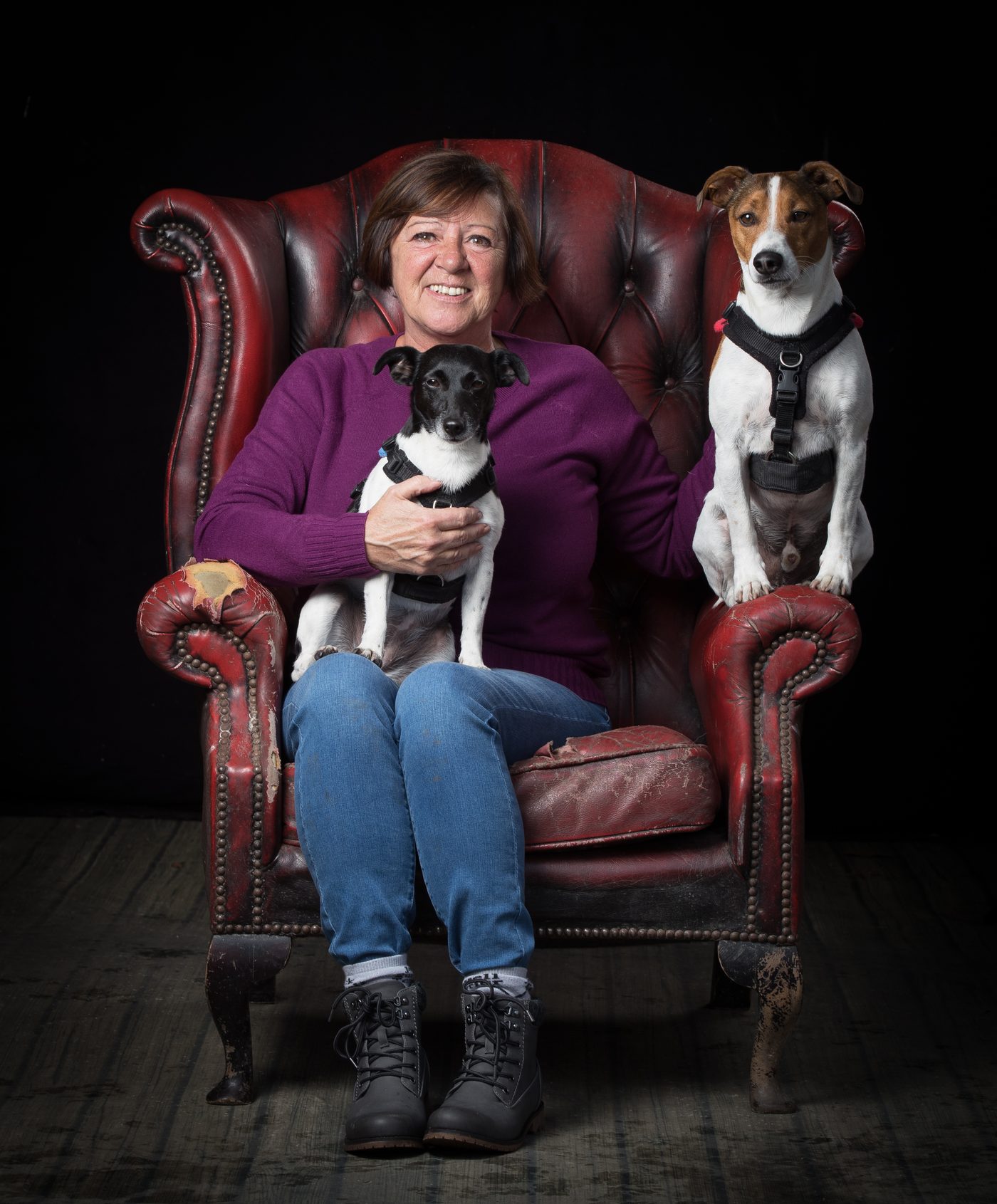
Dawn smiling in a red leather armchair, with Millie on her lap and Mylo on the arm beside her
One

A complimentary 20-minute call

We talk on the telephone. You tell me as much or as little as you’d like about your circumstances, and we get a feel for whether my support is right for you. There’s no obligation to book anything afterwards.

Two

One-hour counselling sessions

If you’d like to go on, we arrange sessions of about an hour, by Zoom or by telephone, whichever you’re more comfortable with. The first session is £80 and continuing sessions are £65. Each one is shaped around you, not a set programme.

Then

Finding your way forward

We go at your pace. Some people want a few conversations; some want more. There’s no fixed number, and no right or wrong way to do this.

Counselling sessions & fees

So you know where you stand.

I’d rather you knew the fees before we spoke than worried about them afterwards. The first conversation is free, and there’s no obligation to go any further. Sessions are by Zoom or telephone, which means I can support guardians throughout the UK.

Introductory call20 minutes, by telephoneComplimentary
First counselling sessionOne hour, Zoom or telephone£80
Continuing sessionsOne hour each, Zoom or telephone£65

There’s no set number of sessions; we go at your pace. Animal Communication is a separate service with its own fee and isn’t part of counselling.

Dawn resting her forehead against Millie, her black-and-white Jack Russell

Everyone experiences grief differently

There is no timetable you have to follow.

Grief isn’t a straight line. You might feel alright one day and be undone the next That isn’t going backwards. It’s just grief.

It can affect the body as well as the heart. Sleep, appetite, concentration and energy can all change for a while. Looking after yourself gently through this is part of looking after your grief.

And it doesn’t matter whether your loss was last week or years ago. If it still hurts, it still counts.

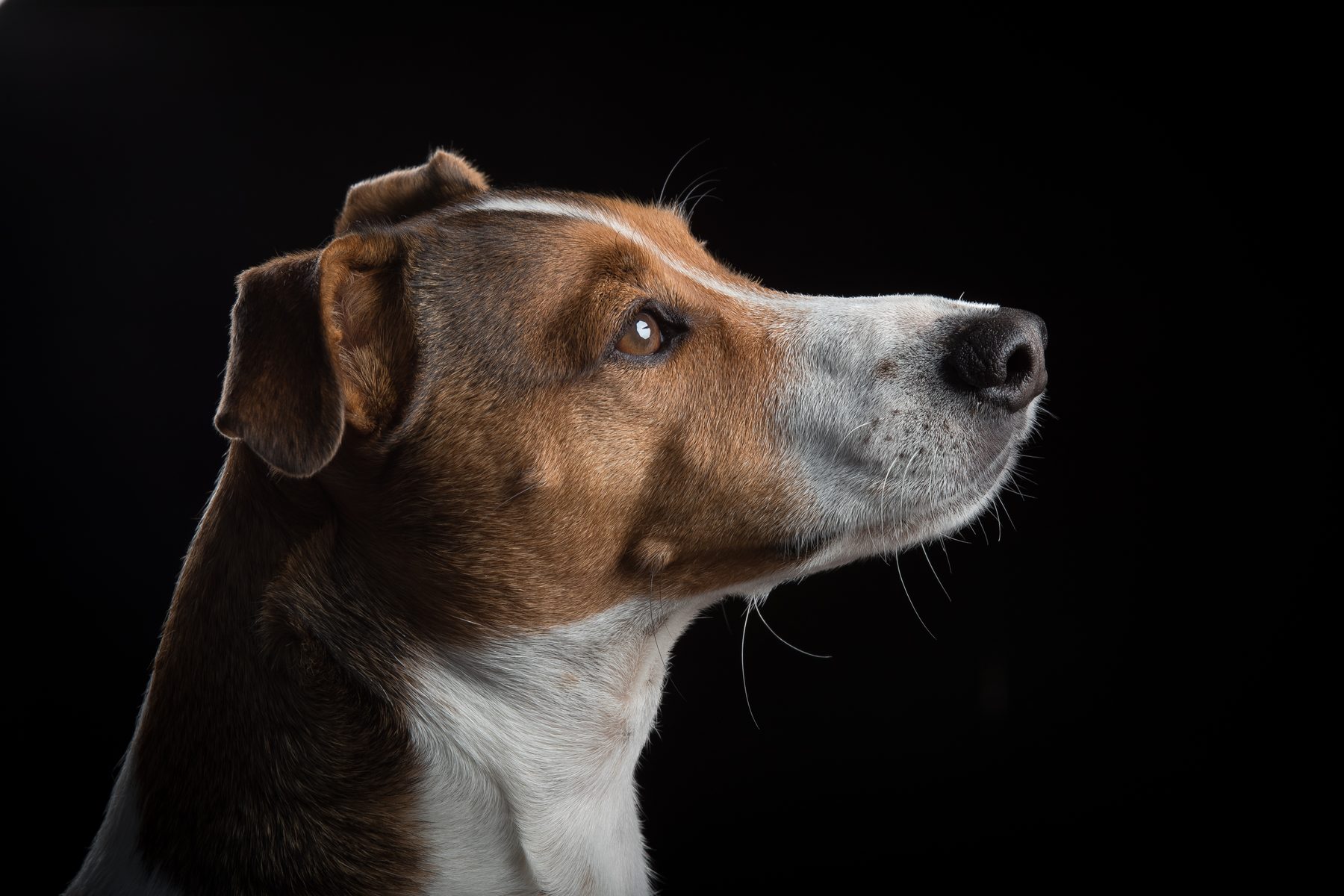
Mylo, Dawn’s tan-and-white Jack Russell, gazing upwards against a dark background

Two separate services. One caring, individual approach.

Sometimes, there are questions as well as feelings.

When we lose an animal companion, there can be so many emotions, and sometimes questions that stay with us. Alongside my bereavement counselling, I also communicate with animals in spirit.

For some guardians, that’s something they feel drawn to explore. For others, having a space to talk and work through their grief is what matters most. Counselling doesn’t include communication, and communication isn’t a way of “getting closure”. There’s no right or wrong choice. It’s about what feels right for you.

Communication with animals living and in spirit. A one-hour Zoom or telephone session using a photograph and two questions, with a recording to keep.

Something I feel strongly about

Grief deserves understanding, wherever we experience it.

When a person loses a relative, the people around them generally understand that they need time. When a person loses an animal who has shared their home and their days , they are often expected to be back at their desk the next morning as if nothing has happened.

I’d like that to change. I believe animal bereavement deserves far more recognition than it gets, at home, among friends, and in the workplace. I don’t see why compassionate leave shouldn’t be considered when a beloved companion dies. It’s so important.

This is my own view. If you need time away from work after a loss, ask your employer what leave or support they can offer.

“

Dawn helped me shortly before my little one passed back suddenly to Spirit, by communicating with him, and to have his words and message passed on to me left me feeling reassured, comforted and full of love. Dawn delivered the communication with an open heart, kindness and compassion. Thank you.

A guardian · a communication shortly before her companion passed · Facebook recommendation

Questions people ask

Before you get in touch.

What is pet bereavement counselling?

It’s a safe, confidential and non-judgemental space to talk about the loss of your animal companion with someone who understands the bond. I’m a qualified Pet Bereavement Counsellor, and I’ve been through this loss myself.

How does it work?

We start with a free 20-minute phone call. If you’d like to go on, we arrange one-hour sessions by Zoom or telephone, at your pace, with no set number.

How can counselling help after losing an animal?

Mostly by giving you somewhere to be properly heard. We talk about whatever you need to: the sadness, the guilt, the decisions, the quiet at home. I can’t take the grief away, but being able to say it all out loud, to someone who gets it, can make a real difference.

Can I arrange counselling online, from anywhere in the UK?

Yes. Sessions are by Zoom or by telephone, whichever you’re more comfortable with, so it doesn’t matter where in the UK you are.

Is it normal to still be grieving months or years later?

Yes. Grief has no timetable. If it still hurts, it still counts, and you’re very welcome to get in touch however long ago your loss was.

Do I need to have lost my animal recently?

No. I support guardians whose loss is very recent and those for whom it was years ago. I also talk with people whose animal is nearing the end of their life, because that grief often begins before they pass.

What happens during the introductory call?

It’s a complimentary 20-minute telephone conversation. You tell me as much or as little as you want to, I tell you how I work, and we see whether it feels right. There’s no obligation to book anything afterwards.

How long does a counselling session last?

About an hour.

How much does the first counselling session cost?

£80 for a one-hour session, by Zoom or telephone. The introductory call before it is free.

How much do continuing sessions cost?

£65 per one-hour session. There’s no fixed number of sessions, and you can stop whenever you feel ready.

Do I have to talk about everything straight away?

Not at all. We go at your pace. You never have to describe anything you’re not ready to talk about, including how your animal passed.

Is animal communication included in bereavement counselling?

No. They’re two separate services with separate fees. Counselling is a space for you; animal communication is a separate session in which I connect with your animal in spirit. Some guardians choose to explore both in time, but one doesn’t require the other.

Can I choose counselling without animal communication?

Of course. Many guardians do. There’s never any pressure to explore communication, and it’s not needed to work through grief.

Let’s have a chat

You don’t have to do this on your own.

If you’ve lost an animal companion and feel that talking to someone might help, please do get in touch. We can start with a complimentary telephone conversation, from anywhere in the UK, and you can tell me a little about your circumstances. There’s no pressure to arrange anything further, and if you do go on, the first session is £80 and continuing sessions £65. What matters is finding the support that feels right for you.

With blessings, Dawn

Needed for a telephone reply or introductory call.
How would you prefer I get in touch?
Would you like a complimentary 20-minute introductory call?
Only what you feel comfortable sharing. You don’t need to explain anything here; we can talk when we speak.